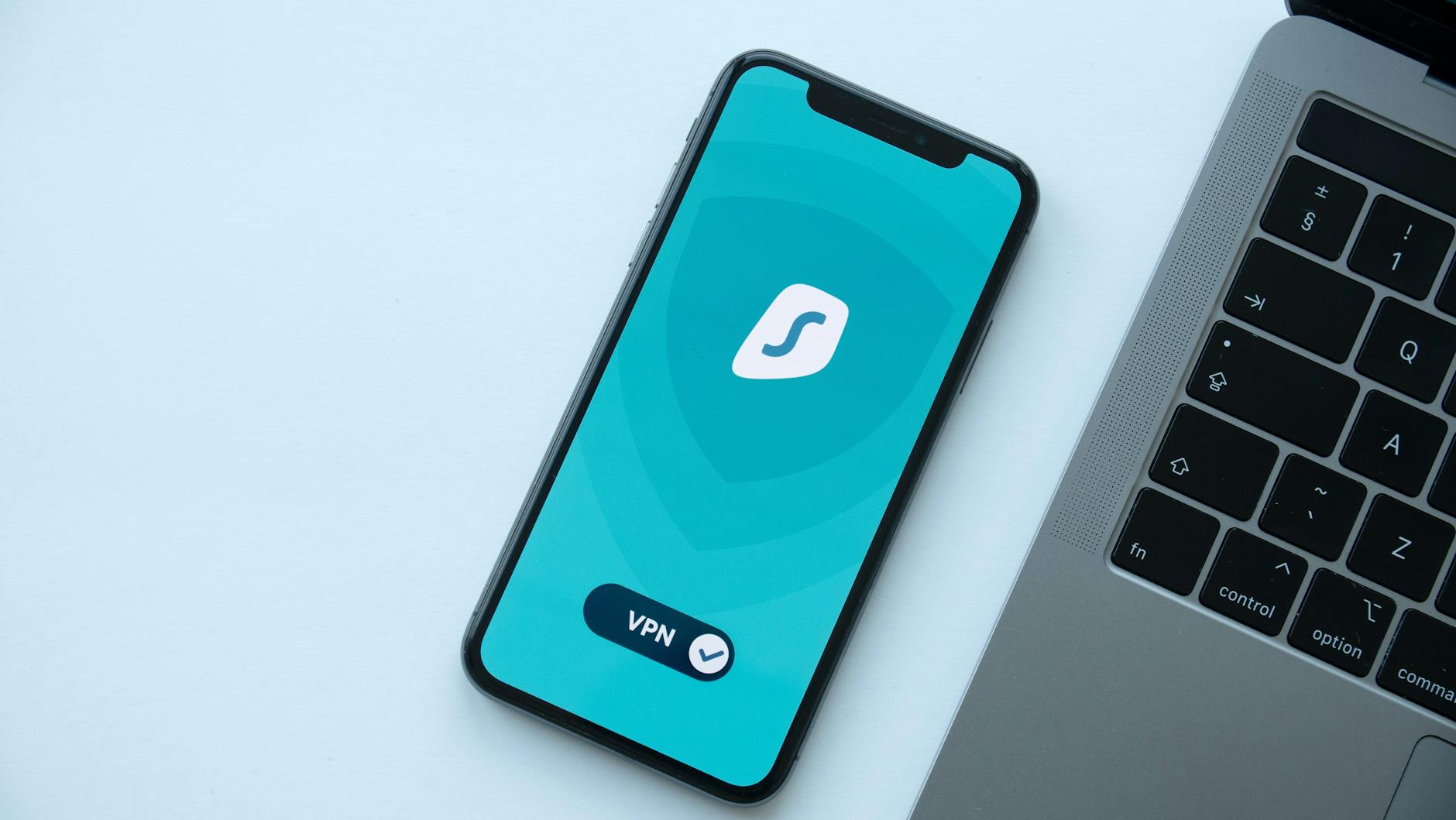
Understanding the 'Free' in Free VPNs: Data Limits, Speeds, and What You're Really Getting (and Giving Up)
The allure of a 'free' VPN is undeniable, promising online privacy and access to geo-restricted content without opening your wallet. However, it's crucial to understand that these services aren't truly free; they operate on different business models that often involve compromises. Many free VPNs impose significant data limits, restricting your browsing, streaming, and downloading capacity to a paltry few gigabytes per month. Once you hit this cap, your connection either slows to a crawl or cuts off entirely, pushing you toward their paid tiers. Furthermore, severely throttled speeds are a common tactic, making even basic browsing a frustrating experience, especially during peak usage times. This deliberate degradation of service is a key differentiator from reputable paid VPNs, whose business model relies on subscription fees to maintain high-performance servers and provide unlimited data.
Beyond data and speed limitations, the 'free' in free VPNs can come at a much higher cost: your privacy. Many free VPN providers engage in practices that directly contradict the very purpose of a VPN. This can include:
- Inserting targeted ads into your browsing sessions.
- Logging your online activity and selling that data to third-party advertisers or data brokers.
- Using outdated or weak encryption protocols, leaving your data vulnerable to interception.
- Bundling malware or adware with their software.
Always read the privacy policy carefully before entrusting your online safety to any free service.
A free VPN can be a tempting option for those looking to protect their online privacy and bypass geo-restrictions, offering a basic level of encryption and the ability to mask your IP address. However, it's important to be aware of the potential limitations and risks associated with some free VPN services, such as data logging, slower speeds, and intrusive advertising. While they can be a good starting point for casual browsing, a premium VPN often provides more robust security features and better performance for demanding tasks.
Busting Data Cap Myths: Practical Tips for Maximizing Your 'Free' VPN Experience and Avoiding Unexpected Bills
Many users gravitate towards 'free' VPNs, often under the impression that their data usage is limitless. However, a common misconception is that these services truly offer unrestricted browsing. In reality, most free VPNs implement strict data caps, often undisclosed or hidden within lengthy terms of service. Exceeding these limits can lead to a sudden and complete cessation of service, a significant reduction in speed (throttling), or even pressure to upgrade to a paid plan. Understanding these limitations is crucial for a smooth online experience. Always scrutinize the fine print for any mention of data allowances or daily/monthly usage thresholds to avoid unexpected interruptions and maintain your privacy without hidden costs.
To effectively manage your data on a 'free' VPN and prevent unexpected charges, adopt a proactive approach. Start by monitoring your usage closely; many VPN apps provide built-in trackers. If not, consider using third-party network monitoring tools on your device. Prioritize your VPN usage for activities that genuinely require it, such as accessing geo-restricted content or connecting to public Wi-Fi. For casual browsing or streaming, consider if a VPN is truly necessary. Furthermore, explore VPNs that offer a more generous free tier or transparently display their data limits.
By being mindful of your online habits and selecting a service with clear data policies, you can maximize your 'free' VPN experience and steer clear of unwelcome surprises on your bill.