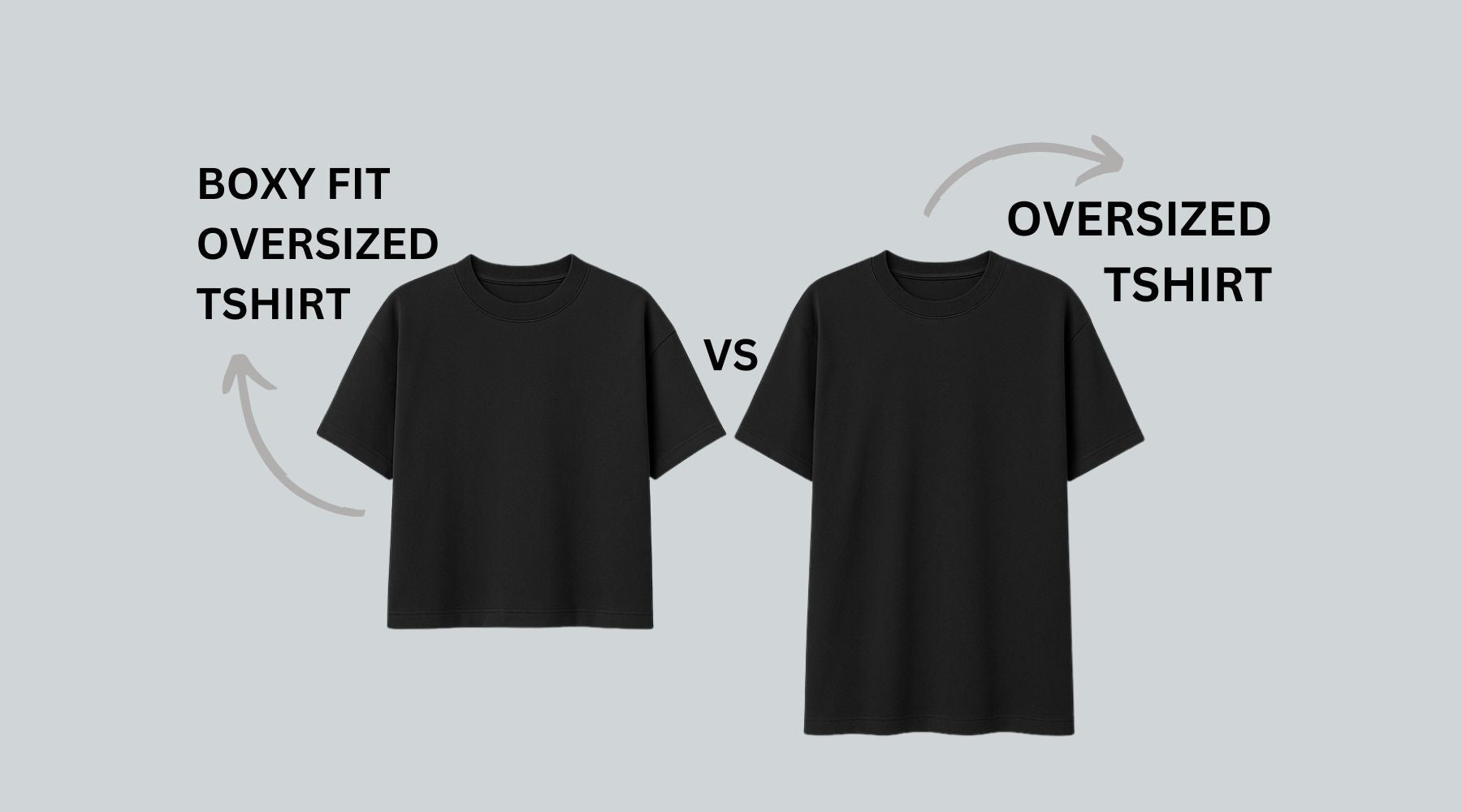
The Great Debate: Oversized vs Regular Fit - Which Style Reigns Supreme at Fashion Shows?
The ongoing debate between oversized and regular fit clothing has transformed the landscape of fashion shows in recent years. Designers are increasingly experimenting with proportions, challenging traditional norms of fit and silhouette. In this era of self-expression, oversized garments have become a canvas for creativity, allowing models to showcase unique shapes and styles on the runway. From billowing coats to oversized trousers, these pieces often evoke a sense of nonchalance that resonates deeply with modern audiences, highlighting a shift towards casual chic and comfort-oriented fashion.
On the other side of the spectrum, regular fit remains a staple for its versatility and refined aesthetic. It offers a polished look that is often favored in more formal presentations. Many designers argue that regular fit pieces allow for a cleaner silhouette, which is essential for showcasing intricate details and craftsmanship. Fashion shows often reflect this duality, presenting collections that feature both styles side by side, leaving spectators to ponder: Which style truly reigns supreme? As trends continue to evolve, both oversized and regular fit will coexist, each appealing to different facets of personal style.
If you're a fan of the popular anime and manga series, you won't want to miss the jujutsu kaisen shop. Here, you can find a variety of merchandise including figures, clothing, and accessories that celebrate your favorite characters. Whether you're looking to enhance your collection or find the perfect gift, this shop has something for every jujutsu kaisen enthusiast.
Fashion Forward: How to Choose Between Oversized and Regular Fit for Your Next Runway Event
When preparing for a runway event, the decision between oversized and regular fit can significantly impact your overall look and comfort. Oversized clothing is known for its relaxed and laid-back aesthetic, allowing for greater freedom of movement and a bold statement. It can create an effortlessly chic vibe, perfect for those wanting to stand out on the runway. However, it's essential to balance this style with other elements of your outfit, including accessories and footwear, to maintain harmony. Consider incorporating structured pieces that complement the flowy nature of oversized clothing.
On the other hand, regular fit clothing tends to offer a more tailored and polished appearance. This fit highlights the body's natural shape, which can be particularly flattering for formal runway events. When choosing between the two styles, think about the message you want to convey: oversized for a relaxed, contemporary look or regular fit for a classic, sophisticated ensemble. Ultimately, your choice should reflect your personal style and the ambiance of the event, ensuring you feel confident and fashionable as you step into the spotlight.
Is Bigger Better? Exploring the Impact of Fit on Fashion Show Presence
The debate on whether bigger is truly better in fashion shows often centers around the impact of fit on a model's ability to showcase designs. Many argue that a flawless fit translates into confidence, allowing models to present garments in a way that captivates the audience and buyers alike. When a model wears a piece that fits perfectly, it not only highlights the quality of the design but also portrays the brand's vision accurately. Additionally, a well-fitted outfit can enhance the overall aesthetic of a runway show, as it emphasizes the intended silhouette and movement of the fabric.
On the other hand, the fashion industry has recently begun to embrace diversity in body types, suggesting that fit should not only adhere to traditional standards of bigger or smaller but rather celebrate a range of sizes. This shift encourages designers to rethink their approach to garment construction, pushing them to create pieces that flatter various body shapes. By expanding the definition of fit, fashion shows can showcase how clothing can complement different figures, thus emphasizing that in the world of fashion, variety can often be just as effective—if not more so—than a singular ideal of beauty.