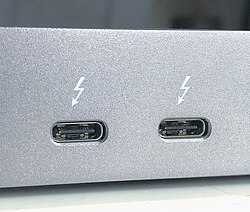
Understanding Thunderbolt: How It Revolutionized Data Transfer
Thunderbolt technology has become a game-changer in the field of data transfer, offering blazing fast speeds that far exceed traditional connections like USB. Developed collaboratively by Apple and Intel, Thunderbolt debuted in 2011 and has since evolved through several iterations. With its capacity to transfer data at speeds up to 40 Gbps with Thunderbolt 3 and 4, it has made high-resolution video, large file transfers, and real-time data processing seamless. The adoption of Thunderbolt in various devices, from laptops to external hard drives, has opened new doors for professionals in fields like video editing, 3D rendering, and data science.
One of the key features of Thunderbolt is its versatility, allowing for daisy chaining multiple devices while maintaining maximum data transfer speeds. This capability is particularly beneficial for creative professionals who rely on multiple peripherals like monitors, storage devices, and audio interfaces. The integration of Thunderbolt into USB-C ports has further simplified connections, making it easier for users to identify compatible cables and devices. As technology continues to advance, understanding the principles behind Thunderbolt is essential for anyone looking to leverage its full potential and enhance their data transfer experience.
Counter-Strike is a popular tactical first-person shooter game that pits teams of terrorists against counter-terrorists in various game modes. Players can strategize and coordinate with teammates to secure objectives and eliminate opponents. If you're looking to enhance your gaming experience, check out the Top 10 external monitors for mac to find the perfect display for your setup.
Is Thunderbolt the Future of Connectivity? Exploring Its Advantages
The rapid evolution of technology has led many to wonder, is Thunderbolt the future of connectivity? With its ability to transfer data at lightning speeds of up to 40 Gbps, Thunderbolt has quickly become a game-changer in the world of data transfer and peripheral connections. This versatile interface not only supports multiple protocols, including DisplayPort and PCI Express, but also allows for daisy-chaining several devices through a single cable. Such capabilities make it a favorite among video editors, gamers, and professionals who require high-bandwidth solutions for their work.
Beyond speed, Thunderbolt offers numerous advantages that set it apart from traditional USB connections. For instance, it provides power delivery up to 100 watts, enabling users to charge their devices while simultaneously transferring data. Additionally, Thunderbolt 4 ensures compatibility with a wide range of devices, making it a flexible option for users looking to invest in future-proof technology. As industries continue to embrace such innovations, it's evident that Thunderbolt's unique features may very well position it as the cornerstone of modern connectivity.
Thunderbolt vs. USB: Which One Should You Choose for Your Devices?
When it comes to connecting your devices, the choice between Thunderbolt and USB can significantly influence your productivity and performance. Thunderbolt offers blazing fast data transfer speeds, capable of reaching up to 40 Gbps on the latest versions, which is ideal for tasks that demand high bandwidth, such as video editing or transferring large files. On the other hand, USB is known for its versatility and widespread compatibility, with USB-C being the latest standard that supports fast charging, data transfer, and audio/video output. Depending on your needs, you may prioritize Thunderbolt for high-performance equipment or choose USB for its universal appeal.
To help you decide, consider the following factors:
- Device Compatibility: Check whether your devices support Thunderbolt or USB connections.
- Speed Requirements: If you're frequently transferring large files or using high-resolution displays, Thunderbolt may be the better option.
- Budget: USB connections tend to be more cost-effective and widely available.
Ultimately, your choice should reflect not only the specifications of your devices but also your specific usage scenarios.