How the Pajama Economy is Changing Traditional Work Culture
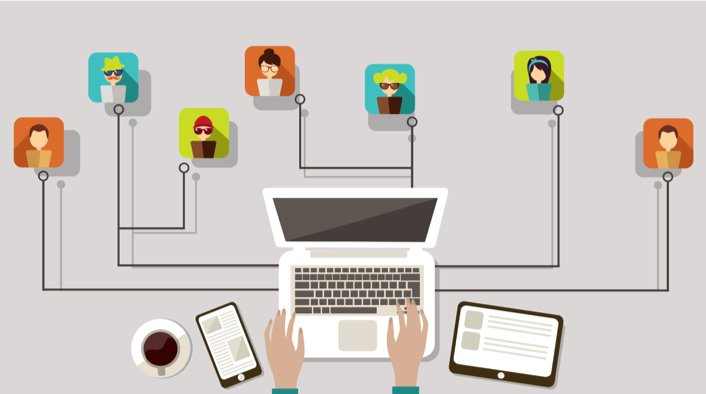
The Pajama Economy refers to the growing trend of remote work that allows individuals to bypass the traditional office environment, often leading to a more flexible and comfortable lifestyle. As more companies adopt remote working policies, employees can work from home in their pajamas, enjoying the freedom that comes with avoiding morning commutes and rigid office hours. This shift is not only transforming how we perceive work but is also fostering a culture centered around productivity and work-life balance, filtering into increasing job satisfaction and employee retention.
Moreover, the Pajama Economy is reshaping traditional work culture in several significant ways. Firstly, it encourages a more diverse workforce, as location becomes less of a factor in hiring decisions. Secondly, businesses are witnessing a shift in collaboration dynamics; digital tools and platforms facilitate communication and teamwork, enabling employees to connect seamlessly from different locations. As the Pajama Economy continues to evolve, organizations must adapt to these changes, recognizing the benefits and challenges of this new work culture to thrive in a competitive landscape.
Counter-Strike is a popular first-person shooter game that emphasizes teamwork and strategy. Players join either the terrorist or counter-terrorist team and compete in various game modes. For those who appreciate focused gameplay, investing in the right gear is essential. Check out our Top 10 Noise-Cancelling Headphones for Working from Home to enhance your gaming experience and minimize distractions.
The Benefits and Challenges of Remote Work: Is the Pajama Economy Here to Stay?
The emergence of the Pajama Economy signifies a major shift in how we approach work, with numerous benefits for both employees and employers. One of the primary advantages of remote work is the flexibility it offers. Employees can design their schedules to fit personal needs, leading to improved work-life balance. Furthermore, businesses can benefit from reduced overhead costs and access to a global talent pool, allowing them to hire skilled workers regardless of geographical constraints. However, the transition to remote work is not without its challenges.
Despite its appeal, remote work also presents several hurdles. Communication can suffer without face-to-face interaction, leading to potential misunderstandings among team members. Additionally, the difficulty in maintaining a structured work environment can result in blurred lines between personal and professional life, causing stress and burnout among workers. As we consider the sustainability of the Pajama Economy, it's essential to weigh these benefits against the challenges, ensuring that companies implement effective strategies to foster collaboration and employee well-being in a remote work setting.
What Does the Future Hold for Remote Work and the Pajama Economy?
The future of remote work is poised to evolve significantly as technology continues to advance and organizations adapt to new ways of operating. With the rise of artificial intelligence and collaborative tools, employees can expect an increasingly flexible workplace that accommodates their personal preferences and lifestyles. This transformation is reshaping the pajama economy, a term that captures the comfort of working from home in casual attire. As companies embrace hybrid models, we anticipate that remote work will not only become more mainstream but will also lead to a shift in talent acquisition strategies, focusing on skills rather than geographical location.
Additionally, as the pajama economy gains momentum, we may see the emergence of new trends in employee engagement and productivity. Remote workers are likely to prioritize work-life balance more than ever, prompting organizations to implement policies that support mental health and well-being. Furthermore, businesses might invest in space-saving technologies and ergonomic home office solutions to enhance remote working conditions. As we move forward, the blending of professional and personal life will ultimately redefine the traditional workplace, encouraging more individuals to embrace the flexibility that the pajama economy offers.